For many people, the relationship between a mother and child is complicated. A mother (or primary caregiver) is usually the first person to nurture our sense of safety, love, identity, and belonging. But, a mother may have been emotionally unavailable, critical, absent, struggling with her own wounds, or lost early in life. These experiences can leave lasting emotional pain often described as mother wounds.
In this article, we will explore mother wound symptoms, the concept of the inner mother, and practical ways to begin the healing mother wounds journey.
What Are Mother Wounds?
What are mother wounds? The term mother wounds is often used to describe the emotional pain that can develop through difficult experiences with a mother or primary caregiver. These mother wounds may form through emotional neglect, criticism, absence, enmeshment, conditional love, or a lack of emotional safety, and they can continue to affect self-worth, relationships, attachment, and emotional wellbeing later in life.
Winnicott wrote about the importance of the “good enough mother” in healthy child development, while Bowlby’s attachment theory explored how early bonds influence emotional security and relationships throughout life. Klein also emphasised the infant’s psychological relationship with the mother as central to emotional development.
Although these theorists did not use the phrase mother wounds, their work highlighted the lasting impact that disruptions in nurturing can have on a person’s inner world. This does not necessarily mean a mother or caregiver intended harm as generally, mothers were doing the best they could within their own circumstances and capacities. But when nurturing, protection, or emotional attunement are missing, the effects can shape a child’s inner world for years to come.
So when asking what are mother wounds, we need to know that mother wounds are not limited to a single experience. For some people they reflect intergenerational patterns passed through family and culture, while for others they relate to specific experiences of neglect, absence, or trauma. Often, both elements can be present at once, as in, personal pain unfolding within larger social and historical contexts.
Importantly, exploring mother wounds is not about blaming mothers. Many mothers carry their own inherited wounds, trauma, stress, and unmet emotional needs. Rather than assigning blame, the concept invites awareness, compassion, and healing. It also opens the door to practices such as reparenting, self-compassion, and nurturing the inner mother within.
Mother Wound Symptoms
Mother wounds can show up in subtle but powerful ways throughout adulthood, so it is important to talk about mother wound symptoms. So what exactly is wounded? Is it the child within us, is it us ourselves, is it our identity, or are mother wounds the gap where something called “mothering” should have been?
Many people move through life carrying an ache they can’t quite name and a sense of emptiness, perhaps a feeling of never having been fully seen or loved for who they are from a young age. How does someone build an identity without these foundations? How can they trust love when love was never modelled to them, or perhaps it was modelled, but inconsistently?
How can they learn to love themselves when their mother never knew how to love herself? If love was never something she had, how could she give it to anyone else? And if she didn’t have foundations for her own identity, how could she provide them for her child? Perhaps she had her own mother wounds that she was carrying her whole life as well.
This often invisible problem of mother wounds can turn into a wrestling match with identity. We often hear “be your authentic self.” But what happens when that authentic self feels fractured? When the person who was meant to guide and hold and teach simply couldn’t, and still can’t? It can feel like being a tree with no roots, trying desperately to stay upright in the wind. And yet, even a tree with shallow roots can grow new ones, deeper ones, stronger ones, given time and care.
These questions and more might be asked by someone with mother wound symptoms. Mother wounds may affect self-worth, relationships, boundaries, and the ability to feel safe or nurtured. People carrying these mother wounds may find themselves wondering why they struggle with self-love, why they feel emotionally unsupported, or why they continue searching for validation from others.
Common mother wound symptoms include a deep sense of unworthiness or not feeling good enough, difficulty trusting others, fearing abandonment, people pleasing or over functioning to gain love and approval, a harsh inner critic, emotional numbness or an inability to connect deeply, a constant search for external validation, sadness, and struggles with self-care and receiving love.
Grief is also a common part of mother wounds. It may not always be obvious, but it can show up as a quiet sadness, a sense of emptiness, or a longing for the love, safety, and nurturing that was missing. This grief is often not just for what was lost, but for what was never fully received.

The Unmothered Mother or Parent
The phrase unmothered mother describes a painful but common reality: many mothers were never fully mothered themselves. This feeling is not only for “mothers”: you may be an unmothered parent, father, or caregiver. When someone grows up without consistent nurturing, emotional safety, or guidance, they may enter adulthood still carrying unmet needs from their own childhood.
It’s also important to recognise that not everyone relates to the word mother. Some people were raised by a father, grandparent, adoptive parent, or another caregiver who became their primary source of care. In these cases, the experience of being “unmothered” can still exist, not as a reference to gender, but to the absence of consistent nurturing and emotional attunement.
The unmothered mother may long for support, validation, or care that they never received. Without having experienced healthy mothering firsthand, it can be unfamiliar to know how to offer that same emotional presence to a child.
This does not mean these people’s mothers or caregivers did not love their children. In many cases, they cared deeply and tried their best. But parenting while carrying unresolved wounds can make it harder to provide consistent emotional attunement. A mother who was never soothed may struggle to soothe others. A mother who was never encouraged may find it difficult to encourage. A mother who had to suppress her own feelings may unintentionally dismiss the feelings of her child. The mother herself may have been an unmothered mother.
In this way, mother wounds can sometimes move quietly from one generation to the next. What was never healed in one generation may appear again in the next, not out of cruelty or neglect, but because the original pain was never given the space to be understood or repaired.
For those who are parents, this healing carries profound importance as children are mirrors. The things we adore in them reflect the things we love about ourselves. The things that frustrate or hurt us reflect the parts of ourselves we have not yet accepted. When a parent learns to love and accept those disowned parts, the needy parts, the angry parts, the fearful parts, they grow in authenticity. Their love becomes safer, steadier, freer of projection.
But when those parts remain rejected, the parent may unknowingly reject them in their children as well. And when that happens, the child once again grows up feeling unseen, unworthy, and unmothered. That is how the wound quietly moves from one generation to the next, the unmothered mother giving birth to the next unmothered mother, until someone chooses to stop and heal.
For many people, this realisation becomes part of the healing process. By developing the inner mother, as in the ability to offer oneself care, protection, and emotional presence, it becomes possible to interrupt the cycle. What was not received in childhood can begin to be cultivated within, creating a new foundation for self-worth and resilience.
The book Unmothered: Life With a Mom Who Couldn’t Love Me by Phylis Mantelli is an interesting read on this topic. Mantelli shares a deeply personal account of growing up with an emotionally unavailable and unpredictable mother. Moments of warmth and care mixed with neglect, emotional abuse, and instability caused by alcoholism and narcissistic behaviour. As she grows older, she leaves home in search of safety, love, and a different kind of life but continues to encounter struggles shaped by her early experiences.
A significant thread in the book is her spiritual journey. Despite everything, Mantelli describes an ongoing sense of being pursued by God, which becomes central to her healing. Over time, she moves toward forgiveness and develops a form of unconditional love for her mother, not by denying the harm, but by transforming her relationship to it.
Discovering the Inner Mother and Healing Mother Wounds
Healing mother wounds is about understanding the impact of these early experiences and learning how to provide for ourselves the care that may have been missing. But first, grief.
One of the deepest parts of mother wounds is grief, not only for what happened, but for what didn’t. It is the grief of not being fully seen, held, nurtured, or understood in the ways you needed. This kind of grief can be complex and ongoing. It isn’t always tied to a clear loss, which can make it harder to recognise or name.
Grieving the mother you didn’t have is a valid and important part of healing. It allows you to acknowledge your experience honestly, without minimising or comparing it to others. It creates space to feel what was never fully felt, and to honour the needs that went unmet. As you move through this grief, you can start to recognise what was missing, and what you truly needed. And from that awareness, the inner mother can begin to emerge, offering compassion, presence, and care in ways that may not have been possible before.
Healing begins when we learn to separate the energy of mothering from the person who carried the title of “mother.” Mothering is more than a role, it’s an energy of care, protection, and creation. Even if it wasn’t received in childhood, it can be cultivated within. This is where the idea of the inner mother comes in. The inner mother, the inner wild mother, is the wise, nurturing part of ourselves that knows how to comfort and guide us. She offers the warmth and safety we may have missed, reminding us that love doesn’t have to come from outside.
Psychotherapist Bethany Webster explores this concept in her book Discovering the Inner Mother. She describes how connecting with this inner energy allows us to re-parent ourselves, tend to our inner child, hold our own emotions with compassion, and rewrite the story of what love feels like.
Rather than trying to force a parent to change or endlessly reliving the past, Webster’s approach encourages people to focus on self compassion, listen to their inner truth, reclaim suppressed parts of themselves and step into their authentic power. Through this process, the inner mother becomes a source of nurturance and authority from within, helping to break generational patterns and create a new relationship with yourself.
Healing mother wounds also involves setting boundaries you need, creating space in your life, and connecting with nurturing energy like nature, spirituality, creativity, and meditation. Forgiveness is also important, it is not to excuse unfair things in life, but to free ourselves of carrying those burdens.
Mother wounds once acknowledged, can become the place where light enters. You are not broken, you are becoming. The pain you feel is not proof that something is wrong with you, but that something deep within you longs to be seen. You can become your own safe place, and carry that peace with you into your relationships.
If you feel like this is really hard to do on your own, talk things over with a therapist, they can help you with healing mother wounds. Over time, either in your own reflection or with the help of a therapist, you will find your self worth and identity, learn to be your own strength, have quality relationships and feel whole.
Mother Wounds in Men
Although the term mother wounds is sometimes discussed in relation to daughters, the mother–child relationship is also very important for boys. A boy’s early relationship with his mother often shapes his emotional world, his sense of safety, and his understanding of intimacy.
From an attachment perspective, the mother is frequently the child’s first emotional mirror. Through her responses, comforting, soothing, listening, and attuning, the child learns whether emotions are safe to express and whether needs will be met. When this connection is secure, boys tend to develop a stronger sense of emotional stability and trust in relationships.
When a mother is unavailable, critical, unpredictable, or absent, boys may internalise certain coping patterns that follow them into adulthood. Many men who carry mother wounds learn early on that their emotional needs are not welcome. As a result, they may suppress vulnerability and develop a belief that they must handle everything alone. This can show up later as difficulty expressing feelings, asking for help, or allowing others to see their emotional world.
Mother wounds can also influence how men relate to intimacy and relationships. Some men may unconsciously seek partners who recreate familiar emotional dynamics such as seeking approval, trying to earn love, or becoming drawn to emotionally unavailable partners. Others may avoid closeness altogether because intimacy feels unsafe or unpredictable.
Because a mother is often a child’s earliest source of validation, criticism or emotional neglect can affect a man’s sense of worth. Some men respond by striving for achievement, status, or control in an attempt to compensate for feelings of inadequacy. Others may struggle with chronic self-doubt or feelings of not being “good enough.”
Healing mother wounds in men begins in much the same way as it does for anyone: by recognising the patterns shaped by early relationships and developing new ways of relating to emotions, connection, and self-care. Many men find healing through therapy, supportive relationships, and practices that help them reconnect with emotional awareness.
In this process, cultivating an inner nurturing presence like the inner mother can be especially powerful. It doesn’t have to be called the inner mother if this feels uncomfortable, it can be called inner strength, or inner self, or anything you want to call it. Learning to respond to one’s own emotions with compassion rather than avoidance helps rebuild the sense of safety that may have been missing in early life.
Mother Wound vs Father Wound
OK let’s talk about the mother wound vs father wound. While the mother wound and father wound can both shape a person’s emotional world, and there’s a lot of cross over of affects, they can often affect us in different ways. Mother wounds is commonly linked to themes of nurturing, safety, emotional attunement, belonging, and the ability to receive love. It may develop when a mother was unavailable, critical, overwhelmed, emotionally immature, absent, or unable to provide the care a child needed. This can lead to struggles with self-worth, emotional regulation, relationships, identity, grief and struggles with having an inner compass, and relates a little more to the inner world.
The father wound is more often associated with protection, validation, guidance, boundaries, and our relationship with authority or the outer world. It may arise through absence, rejection, harshness, inconsistency, emotional distance, or lack of affirmation. This can show up later as difficulty trusting others, seeking approval, fear of authority, problems with boundaries, or uncertainty around confidence and direction. It can feel like no one was there to teach us the ways of the world, like you didn’t get a map that other people seem to have, and feeling like you have to prove yourself, and it relates a little more to the outer world and the way we do things.
Of course, these wounds are not rigid categories. Every family is different, and mothers, fathers and caregivers can embody both nurturing and authority. Many people also grow up with single parents, blended families, same-sex parents, grandparents, or caregivers who shape these dynamics in unique ways. The mother wound vs father wound both point to unmet childhood needs but healing begins when we recognise what was missing and learn to offer ourselves the care, protection, love, and guidance we deserve.
When it comes to father wounds, we need to connect with and develop an inner father, an energy that will protect you, keep you safe, help you learn things you don’t know and develop your own map, learn to ask for help when you need it, learn to navigate boundaries and authority, and give yourself the affirmation you need and have always needed.
The Mother Wound and Romantic Relationships
The mother wound can deeply influence the way we experience romantic relationships, often shaping how we give and receive love, so it is important to talk about the mother wound and romantic relationships. Our earliest bond with a mother or primary caregiver can become a blueprint for attachment, safety, trust, and emotional connection. When that bond was marked by inconsistency, criticism, emotional absence, enmeshment, or unmet needs, those patterns can unconsciously reappear in adult relationships.
Some people with a mother wound may fear abandonment and become anxious in relationships, seeking reassurance or feeling highly sensitive to distance. Others may become avoidant, struggling to trust intimacy or pushing love away before they can be hurt. Some may find themselves drawn to emotionally unavailable partners because it feels familiar, while others may over give, people-please, or lose themselves in relationships in order to feel worthy of love.
The mother wound and romantic relationships also can affect boundaries, communication, and self-worth. A person may tolerate unhealthy dynamics, feel responsible for a partner’s emotions, or struggle to believe they deserve steady, healthy love.
As we become aware of these patterns, we can begin to build healthier relationships rooted in self-respect, emotional safety, and mutual care. Nurturing the inner mother within helps us learn to soothe ourselves, set boundaries, trust our needs, and receive love without fear. Over time, relationships can become less about repeating old wounds and more about creating new experiences of connection and healing.
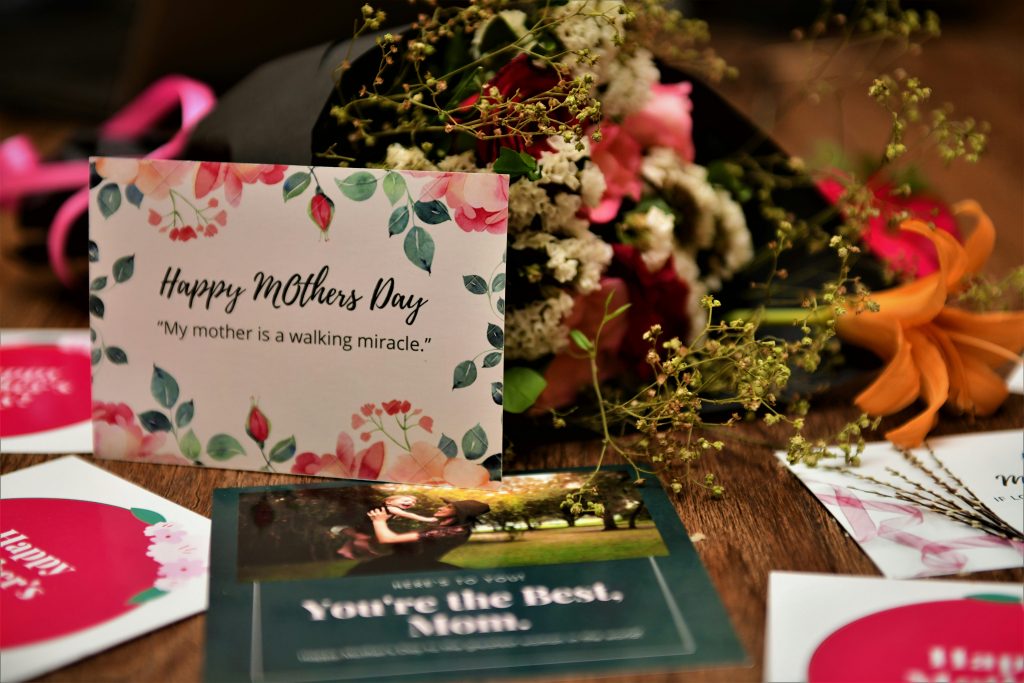
Mother’s Day Grief
Mother’s Day can be a tender and complex time for those carrying mother wounds, and it is important to give yourself time every year to process Mother’s Day grief. While the world celebrates, the day can quietly highlight what was missing, lost, or painful in our past.
Mother’s Day grief isn’t always obvious, it can show up as sadness, numbness, irritability, or a sense of disconnection. There may be a longing for something that never fully existed, or for what could have been. It can also bring up the ache of being unmothered, even as an adult.
Holding space for this grief is part of healing. Rather than forcing celebration or comparison, it can be a day to turn inward with compassion. Nurturing the inner mother through rest, reflection, gentle self-care, or meaningful rituals can help soften the edges of the day. In doing so, we begin to offer ourselves the love, presence, and care we may have always needed and let go of our mother wounds.